Editable 2024 Money Savings Challenge: A Practical Planning Tool for Strategic Financial Goals
When financial planning tools arrive as static, one-size-fits-all templates, they often fall short of addressing the real complexity of personal or business finances. The Editable 2024 Money Savings Challenge, particularly when used with a platform like Canva, offers a different approach. It provides a flexible structure that can be adapted to specific goals, timelines, and priorities. Rather than a rigid savings plan, it functions as a customizable framework—one that supports deliberate financial decision-making throughout the year.
For adults juggling multiple financial responsibilities—whether as entrepreneurs, freelancers, professionals, or household managers—the ability to tailor a savings tool to actual needs is not just convenient. It is strategically useful. This article explores what this editable savings challenge includes, how it can support your planning and goal-setting, and how to use it with intention rather than as a passive tracking exercise.
What the Editable 2024 Money Savings Challenge Offers
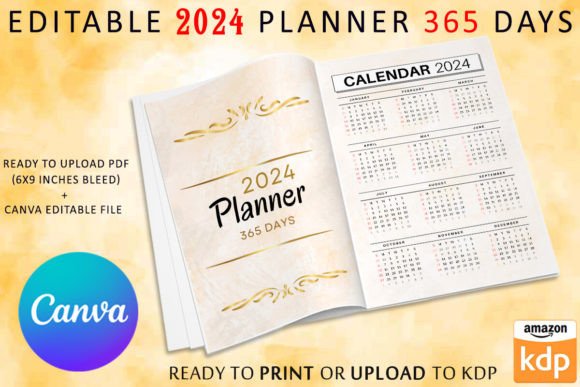
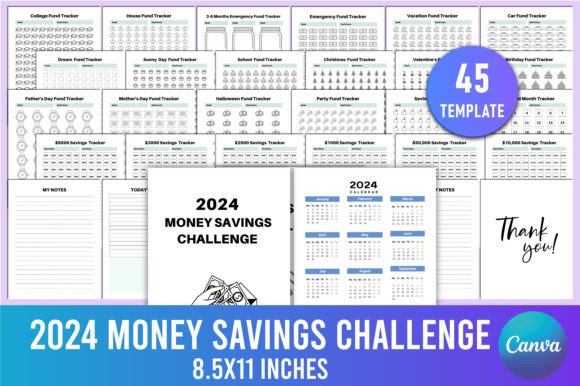
At its core, the Editable 2024 Money Savings Challenge is a set of customizable templates designed to help you track savings across multiple categories. The package includes a print-ready PDF file, a JPG file, and a PNG file, along with a dedicated Editable Canva link that gives you direct access to 45 different Canva templates. Each template is formatted at 8.5 x 11 inches with 300 DPI and CMYK color, making them suitable for high-quality printing or digital use.
The templates cover a wide range of savings categories. Beyond the foundational 2024 Calendar and 2024 Holidays page, you will find specialized trackers that address both short-term and long-term financial goals:
- Emergency Fund Tracker and 3–6 Months Emergency Fund Tracker
- House Fund Tracker, College Fund Tracker, Car Fund Tracker
- Vacation Fund Tracker, Christmas Fund Tracker, School Fund Tracker
- Sunny Day Fund Tracker and Raining Day Fund Tracker
- Dream Fund Tracker, GYM Fund Tracker, Baby Fund Tracker
- Beauty Fund Tracker, Travel Fund Tracker, Wedding Fund Tracker
- Birthday Fund Tracker, Easter Fund Tracker, Valentine’s Day Fund Tracker
- Party Fund Tracker, Halloween Fund Tracker, Mother’s Day Fund Tracker, Father’s Day Fund Tracker
- No Spend Month Tracker
- Savings Tracker with tiers: $1,000, $2,000, $5,000, $10,000, and $50,000
- Additional pages: Today’s Notes, My Notes, Important Notes, Notes (2 unique pages), Thank You Page, and a Belongs To Page
This collection is not merely a list of trackers. It is a modular system where you can select, edit, and combine the pages that align with your current financial priorities.
Why an Editable Format Matters for Goal Alignment
A static savings challenge assumes that every user has the same goals and timeline. In reality, financial priorities shift. A freelancer might need to focus on an emergency fund and a tax savings buffer, while a small business owner may prioritize a house fund or a dream fund for business expansion. A parent might need separate trackers for school costs, birthday celebrations, and holiday expenses.
The Editable 2024 Money Savings Challenge For Canva allows you to adapt the templates to your specific context. You can rename categories, adjust savings targets, change colors, add personal notes, and rearrange pages. This flexibility turns a generic challenge into a personalized planning tool. When you can see your own goals reflected in the tracker, the motivation to save becomes more intrinsic and sustained.
From a strategic perspective, editable tools also support better decision-making. You are not confined to a preset savings amount or timeline. If your income fluctuates, you can adjust your monthly savings target. If an unexpected expense arises, you can reallocate funds across trackers without abandoning the overall system. The tool bends to your reality, not the other way around.
Strategic Use of Fund Trackers for Multiple Goals
The inclusion of 25+ distinct fund trackers may seem extensive, but each serves a specific role in a comprehensive financial plan. Rather than viewing them as separate challenges, consider how they interconnect:
Emergency and Safety Nets
The Emergency Fund Tracker and 3–6 Months Emergency Fund Tracker are foundational. Before allocating significant resources to discretionary goals, financial advisors often recommend securing at least three to six months of living expenses. Using these trackers first builds a safety net that allows you to pursue other goals with reduced risk. If you are self-employed or run a small business, this step is especially critical.
Major Life Goals
Trackers like the House Fund Tracker, College Fund Tracker, and Car Fund Tracker represent significant, planned expenses. These require consistent, long-term saving. By dedicating a separate tracker to each, you can monitor progress independently and avoid the common mistake of pooling funds mentally. When you see a specific tracker approaching its target, the sense of progress reinforces discipline.
Seasonal and Recurring Expenses
Many people underestimate the cumulative cost of holidays, birthdays, and celebrations. The Christmas Fund Tracker, Easter Fund Tracker, Valentine’s Day Fund Tracker, Halloween Fund Tracker, Mother’s Day Fund Tracker, Father’s Day Fund Tracker, Birthday Fund Tracker, and Party Fund Tracker address this directly. Setting aside small amounts monthly for these occasions prevents last-minute financial stress and credit card reliance. For entrepreneurs who host client events or promotional parties, these trackers can also be used for business-related celebrations.
Flexible and Aspirational Funds
The Sunny Day Fund Tracker and Raining Day Fund Tracker offer a psychological buffer. A sunny day fund might be used for spontaneous opportunities, while a raining day fund covers minor unexpected setbacks. The Dream Fund Tracker, Travel Fund Tracker, GYM Fund Tracker, Baby Fund Tracker, Beauty Fund Tracker, Wedding Fund Tracker, and School Fund Tracker allow you to pursue personal aspirations without guilt, because the money is already allocated.
Behavioral Tracking
The No Spend Month Tracker is a behavioral tool. It encourages intentional spending pauses, which can reset habits and free up money for other goals. The tiered Savings Trackers—from $1,000 to $50,000—give you a clear, visual path to larger milestones. Used together, these trackers create a system that addresses both the mechanics and the psychology of saving.
When and How to Implement the Challenge
The Editable 2024 Money Savings Challenge is designed for the calendar year, but you are not required to start in January. You can begin at any point and adjust the timeline accordingly. The 2024 Calendar and Holidays pages help you map savings deadlines around your existing commitments.
To use the challenge effectively, consider this approach:
- Open the Editable Canva link and review all 45 templates. Do not attempt to use every tracker at once. Select the ones that align with your top 3–5 financial priorities for the year.
- Customize each template with your specific target amounts and deadlines. Use the Notes pages to record your reasoning and any related action steps.
- Set a recurring schedule to update your trackers—weekly or monthly. Consistency matters more than frequency. The act of updating reinforces awareness of your progress.
- Print the pages you use regularly and keep them visible, or save them as digital files for quick reference. The print-ready PDF ensures high quality output whether you print at home or use a professional service.
- Review quarterly. Use the Today’s Notes and Important Notes pages to reflect on what is working and what needs adjustment. Adapt targets if your circumstances change.
Considerations Before You Begin
An editable template is only as effective as the planning behind it. Before committing to the challenge, take time to clarify your financial goals. Ask yourself:
- What am I saving for, and why does it matter to me?
- How much can I realistically set aside each month without creating strain?
- Which goals are time-sensitive, and which are flexible?
- Do I have an emergency fund in place before pursuing discretionary goals?
It is also wise to prioritize quality over quantity in tracker selection. Using five trackers with focused attention is more effective than using twenty trackers with sporadic updates. The templates are available, but you do not need to use all of them immediately. You can add new trackers as new goals emerge throughout the year.
Possible Risks of Using the Tool Without Clear Goals
Like any planning tool, the Editable 2024 Money Savings Challenge can be misused if adopted without context. The most common risk is tracking without action. It is easy to fill in numbers regularly without actually changing spending behavior. The tracker becomes a record of intention rather than a driver of change.
Another risk is goal overload. With 45 templates available, there is a temptation to track everything at once. This can lead to fragmentation—spreading small amounts across many funds without making meaningful progress on any single goal. The result is a sense of busyness rather than genuine financial advancement.
Additionally, if the tool is used in isolation from a broader financial review—such as budgeting, debt management, and income planning—it may give a false sense of control. Saving for a vacation fund while carrying high-interest debt, for example, may not be the optimal use of available cash. The challenge should be part of a larger financial strategy, not a substitute for one.
Using the Challenge Intentionally for Long-Term Results
To move beyond passive tracking, treat the Editable 2024 Money Savings Challenge as a decision-making aid. Each tracker page is a place to ask: Does this expense align with my priorities? Am I on track? Do I need to adjust my spending in other categories to meet this goal?
The Belongs To Page and Thank You Page add a personal touch. They remind you that this is your financial plan, not a generic template. When you write your name and your goals, you reinforce ownership. The Notes pages (with 3 unique pages) become a journal of your financial thinking—recording why you chose certain targets, what obstacles you encountered, and how you adapted.
For entrepreneurs, marketers, and creators, the ability to edit templates in Canva also offers a branding opportunity. You can customize colors, fonts, and layouts to reflect your personal or business identity. If you share financial tracking tools with clients, team members, or family, a well-designed, on-brand template enhances professionalism and engagement.
Practical Examples Across Different Roles
A freelance graphic designer might prioritize the Emergency Fund Tracker, Tax Fund Tracker (using a renamed tracker), and Dream Fund Tracker for new equipment. The No Spend Month Tracker could be used during slow months to conserve cash.
A small business owner with a family might use the House Fund Tracker, College Fund Tracker, Christmas Fund Tracker, and Vacation Fund Tracker simultaneously, with monthly automatic transfers to separate accounts. The 3–6 Months Emergency Fund Tracker would be a prerequisite before allocating to other goals.
A marketing professional planning a wedding could combine the Wedding Fund Tracker, Party Fund Tracker, and Travel Fund Tracker for the honeymoon, while using the Sunny Day Fund for unexpected wedding expenses.
Making the Most of the Editable Canva Link
The Editable Canva link is the central feature of this product. With it, you are not limited to pre-filled fields. You can:
- Change text and numbers to match your targets
- Add or remove pages from your personal document
- Adjust colors to differentiate between fund categories
- Duplicate trackers if you need more than one of a type
- Export as PDF, JPG, or PNG for printing or digital use
Because the templates are at 300 DPI and CMYK color, they print with professional quality. Whether you bind them into a physical savings journal, place them in a binder, or keep them as digital files on your device, the versatility is built in.
Final Perspective on the Editable 2024 Money Savings Challenge
The Editable 2024 Money Savings Challenge, especially in its Canva-compatible format, offers more than a simple savings tracker. It provides a structured yet flexible system for aligning financial behavior with personal and professional goals. The breadth of trackers—from emergency funds to holiday savings to aspirational dream funds—covers the full spectrum of real-world financial planning.
What makes it strategically useful is not the number of templates, but the ability to choose, customize, and commit to the goals that matter most to you. Used with clear intention, regular review, and a willingness to adapt, this tool can support better financial decisions throughout 2024 and beyond. Whether you are saving for a house, a wedding, a business investment, or simply peace of mind, the editable format ensures the challenge fits your life, rather than the other way around.