The Complete Guide to Using a Daily Mood Tracker Journal for Greater Self-Awareness and Emotional Well-Being
In today's fast-paced world, keeping tabs on your emotional health is just as important as tracking your physical fitness. A Daily Mood Tracker Journal for adults is a simple yet powerful tool that helps you record, reflect, and understand your emotional patterns over time. Whether you are looking to improve your mental well-being, identify triggers, or simply become more self-aware, this journal can become a trusted companion. In this article, we will explore what a daily mood tracker is, why it matters, how it works, and how you can use one effectively. We will also discuss how this type of journal has become a valuable product for self-publishers on Amazon KDP, and what you need to know if you are considering creating your own.
What Is a Daily Mood Tracker Journal?
A Daily Mood Tracker Journal is a structured notebook or log where you record your emotional state at regular intervals. The concept is simple: each day, you note how you are feeling, often using a rating scale, color code, or descriptive words. Many journals also include space for notes about what happened during the day, what might have influenced your mood, and how you responded. Over time, these entries create a personal emotional map that can reveal patterns, trends, and connections you might otherwise overlook.
For adults, this kind of journal goes beyond a simple diary. It becomes a tool for emotional regulation, stress management, and even therapy support. By making mood tracking a daily habit, you gain insight into how your feelings evolve and what factors—such as sleep, diet, work, relationships, or seasonal changes—affect your emotional state.
Why Mood Tracking Matters: The Science Behind It
Human emotions are complex and often hard to articulate. Without a system to record them, it is easy to forget how you felt a few days ago or to misinterpret your emotional trends. Mood tracking is grounded in cognitive behavioral principles and mindfulness practices. The act of writing down your feelings forces you to pause, name what you are experiencing, and reflect on its intensity. This process alone can reduce emotional reactivity and increase self-regulation.
Research suggests that regular journaling can help reduce symptoms of anxiety and depression, improve emotional clarity, and enhance overall well-being. When you track your mood over several weeks or months, you begin to see patterns. For example, you might notice that your mood dips on Mondays or that you feel more anxious after certain social interactions. With this knowledge, you can take proactive steps—like adjusting your schedule, practicing self-care, or seeking support—rather than feeling at the mercy of your emotions.
1. Enhanced Self-Awareness and Emotional Intelligence
When you record your mood daily, you become more attuned to your internal state. You start noticing subtle shifts that you might otherwise ignore. Over time, this builds emotional intelligence—the ability to recognize, understand, and manage your own emotions and those of others. This is a skill that benefits every area of life, from personal relationships to professional performance.
2. Identifying Triggers and Patterns
One of the most practical benefits of mood tracking is pattern recognition. By reviewing your entries, you can pinpoint what consistently lifts your mood or brings it down. Common triggers include lack of sleep, certain foods, work stress, social media exposure, or even weather changes. Once you know your triggers, you can take steps to avoid or manage them more effectively.
3. Better Communication with Healthcare Providers
If you are seeing a therapist, counselor, or doctor for mental health support, a mood tracker journal can be an invaluable resource. Instead of relying on memory, you can share concrete data about your emotional state over time. This helps your provider make more informed decisions about treatment, medication, or therapy approaches. It also empowers you to take an active role in your own care.
4. Stress Reduction and Emotional Regulation
The simple act of writing about your feelings can be cathartic. It provides an outlet for emotions that might otherwise build up and cause stress. By putting your feelings on paper, you externalize them, making them easier to observe and manage. Many users report feeling calmer and more centered after a few minutes of mood journaling.
5. Building a Habit of Reflection
A daily mood tracker encourages a habit of regular self-reflection. In a world that constantly demands your attention, carving out a few minutes each day to check in with yourself is a powerful act of self-care. This routine can improve your overall mental hygiene and help you stay grounded even during challenging times.
How to Start Using a Daily Mood Tracker Journal
Starting a mood tracking practice is straightforward. You do not need any special equipment or training—just a journal and a few minutes each day. Here is a step-by-step approach to get you started:
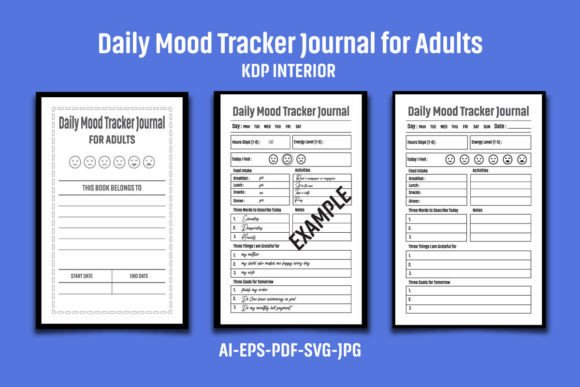
- Choose your format. You can use a pre-designed journal like the Daily Mood Tracker Journal for adults, which includes structured pages for each day. Alternatively, you can create your own with a blank notebook. Many people find that a guided layout makes it easier to stick with the habit.
- Pick a rating scale. Decide how you want to measure your mood. Common scales include a simple 1–10 rating, color coding (green = good, yellow = okay, red = low), or emoji-based scales. Pick something that feels natural and easy to use.
- Set a consistent time. Try to log your mood at the same time each day. Many people prefer to do it in the evening, reflecting on their day. Others like a morning check-in to set the tone. Choose what works for your schedule.
- Add context. Beyond just rating your mood, jot down a few notes about what happened that day. What contributed to your feelings? Were there any significant events, conversations, or thoughts? This context is what makes your data meaningful.
- Review weekly. At the end of each week, take a few minutes to flip through your entries. Look for patterns or surprises. Ask yourself: What helped me feel better? What drained me? This review is where the real insight emerges.
Common Misunderstandings About Mood Tracking
Despite its benefits, mood tracking is sometimes misunderstood. Let's clarify a few common assumptions:
- It is not about judging your emotions. Some people worry that tracking their mood will make them focus too much on negative feelings. In reality, the goal is awareness, not judgment. You are simply observing what is there, without trying to change it immediately.
- You do not need to be "good" at it. There is no right or wrong way to track your mood. Some days you might feel neutral, and that's fine. The journal is a tool for understanding, not performance.
- It is not a substitute for professional help. While mood tracking can support therapy or self-care, it is not a replacement for medical or mental health treatment if you are experiencing severe symptoms. Think of it as a supplement, not a cure.
- Consistency matters more than perfection. You might miss a day or two—that's okay. What matters is returning to the practice and using it as a guide, not a chore.
The Role of the Daily Mood Tracker Journal in Modern Life
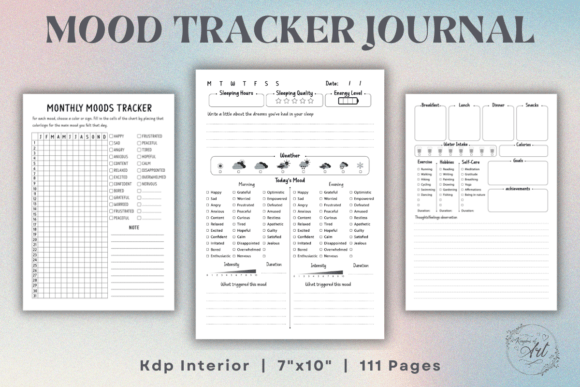
In an era where mental health is finally getting the attention it deserves, tools like the Daily Mood Tracker Journal help bridge the gap between awareness and action. They fit naturally into modern self-care routines, alongside meditation apps, fitness trackers, and gratitude journals. For many adults, the journal becomes a private space where they can be honest without fear of judgment.
Moreover, the portability and simplicity of a printed journal—especially a 6"x9" format with 110 pages—make it easy to take anywhere. You can use it at home, at work, or while traveling. The black-and-white interior is clean and easy to color, allowing for personalization if you enjoy adding your own creative touches.
How KDP Publishers Can Use This Product
For self-publishers on Amazon KDP, the Daily Mood Tracker Journal for adults is a versatile and in-demand product. The interior design files—including AI, EPS, PDF, JPG, and SVG formats—make it easy to customize and produce a professional-quality book. With a trim size of 6"x9" inches and full bleed (6.12" x 9.25" overall), it meets Amazon's standard specifications. The 300 DPI resolution ensures crisp printing, and the 110-page count offers enough space for several months of daily tracking without being overwhelming.
One important note for KDP publishers: because many sellers may use similar interior templates, it is essential to add your own logo, branding, or original graphic elements to each page before uploading. This step helps differentiate your product and avoids duplicate content flags. The images, text, and mockups shown in product presentations are for illustration only—you must create your own final files.
When you purchase these files, they are compressed into a single ZIP archive. You will need extraction software such as WinZIP, WinRAR, or built-in operating system tools to access them. Once extracted, you can edit the files in Adobe Illustrator (AI or EPS CS6 version) or other compatible software, add your personal branding, and export a print-ready PDF for KDP upload.
Practical Tips for Getting the Most Out of Your Mood Tracker
Whether you are using the journal for personal growth or creating it as a product for others, here are some tips to maximize its value:
- Keep it simple. Do not overcomplicate your entries. A quick rating and a short note are enough. The goal is sustainability, not exhaustive detail.
- Use color if it helps. If you enjoy creative expression, use colored pens or highlighters to code your moods. This makes your data more visual and engaging.
- Connect with other practices. Combine mood tracking with gratitude journaling, habit tracking, or goal setting. Many journals include space for these, but you can also add your own pages.
- Be compassionate. Some days will be harder than others. Your mood tracker is not a report card—it is a record of your human experience. Approach it with curiosity, not criticism.
Conclusion
A Daily Mood Tracker Journal for adults is more than a notebook—it is a mirror for your inner world. By dedicating a few moments each day to recording how you feel, you build a richer understanding of yourself and your emotional landscape. Whether you are navigating stress, working on personal growth, or simply curious about your patterns, this practice can bring clarity and calm into your life.
For KDP publishers, the ready-made interior offers a strong foundation for a high-demand product. With customization and branding, you can create a unique journal that helps others on their wellness journey. The combination of a simple, print-ready design and the growing interest in mental health tools makes this a compelling niche.
Start your mood tracking journey today—or help others start theirs. The insights you gain will be well worth the few minutes you invest each day.